Sustainable Landscaping Practices: Eco-Friendly Solutions for Vancouver Homes
Introduction to Sustainable Landscaping
Sustainable landscaping is an essential practice for homeowners in Vancouver seeking to create beautiful outdoor spaces while minimizing their environmental impact. By incorporating eco-friendly solutions, you can enhance the beauty and functionality of your garden while contributing to the health of the planet.
Vancouver's unique climate and biodiversity offer an excellent opportunity to implement sustainable landscaping practices. From using native plants to conserving water, there are several strategies to consider.
Choosing Native Plants
One of the most effective ways to create a sustainable landscape is by selecting native plants. These plants are naturally adapted to the local climate and soil, requiring less water and maintenance. Moreover, they provide essential habitats for local wildlife, promoting biodiversity.
When planning your garden, consider incorporating plants like the Pacific Dogwood or Western Red Cedar, which thrive in Vancouver's environment. By doing so, you'll reduce the need for artificial fertilizers and pesticides.
Water Conservation Techniques
Water conservation is crucial in sustainable landscaping. Rainwater harvesting and drip irrigation systems are effective methods to reduce water usage. By collecting rainwater, you can store and use it for irrigation during dry spells.

Additionally, installing a drip irrigation system ensures water is delivered directly to the plant roots, minimizing evaporation and runoff. This method is particularly beneficial for gardens with a variety of plant types.
Composting and Soil Health
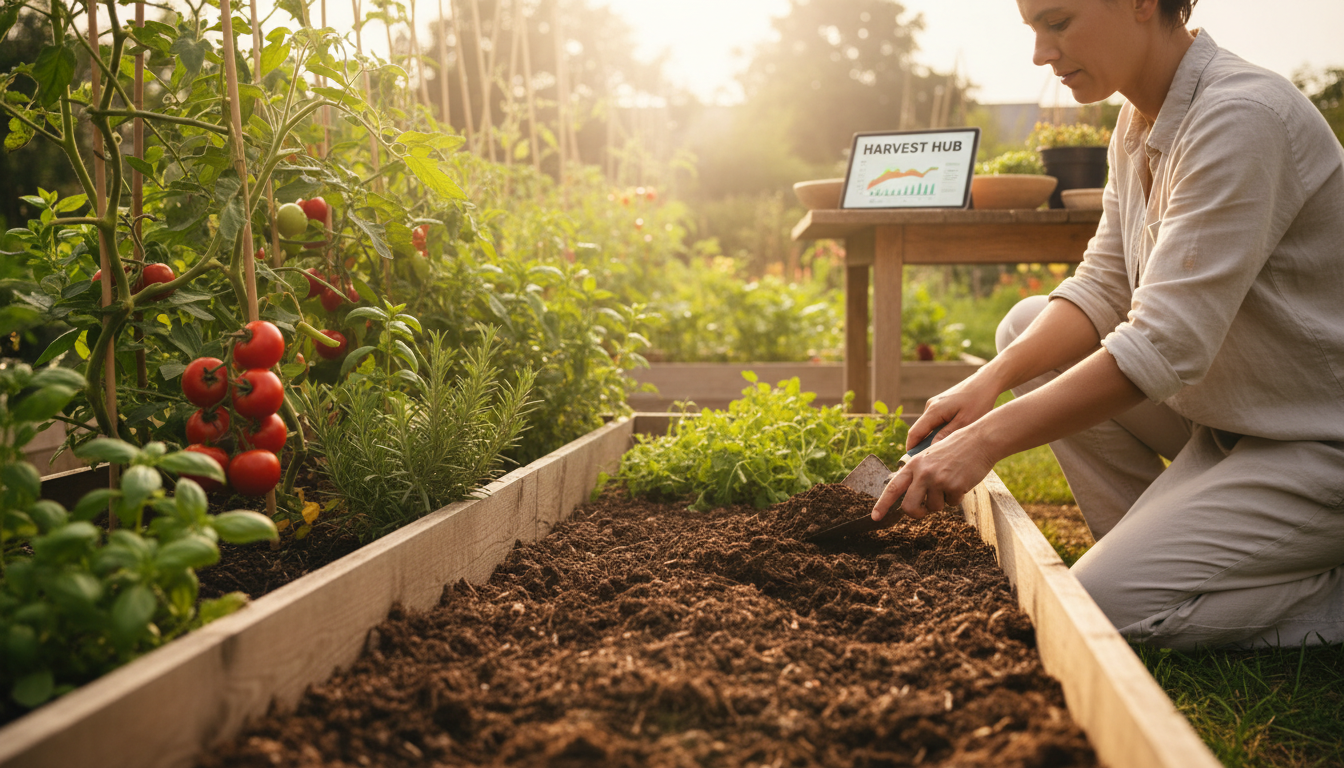
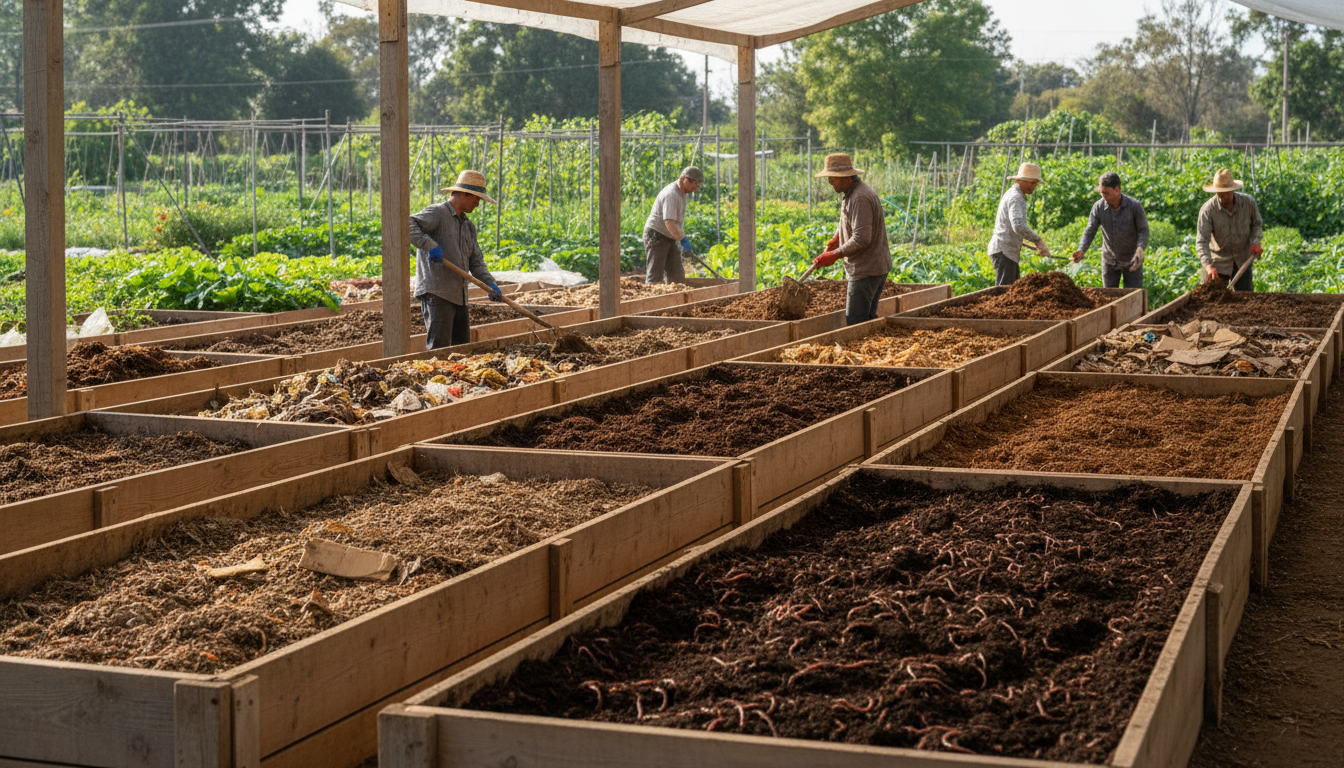
Maintaining healthy soil is fundamental to sustainable landscaping. Composting is an excellent way to recycle kitchen scraps and yard waste into nutrient-rich soil amendments. This practice not only reduces waste but also enhances soil structure and fertility.
Regularly adding compost to your garden improves moisture retention and provides essential nutrients for plant growth, reducing the need for chemical fertilizers.
Creating Wildlife Habitats
Encouraging biodiversity by creating habitats for local wildlife is an integral part of sustainable landscaping. Birdhouses, bee hotels, and butterfly gardens invite beneficial species to your garden, contributing to a balanced ecosystem.
By fostering a habitat for pollinators and other wildlife, you support the health of your garden and the surrounding environment. This approach helps maintain natural pest control and enhances the overall beauty of your landscape.
Conclusion
Adopting sustainable landscaping practices in your Vancouver home not only benefits the environment but also enhances the beauty and functionality of your outdoor space. By choosing native plants, conserving water, maintaining healthy soil, and creating wildlife habitats, you can enjoy a garden that is both eco-friendly and visually appealing.
Embrace these practices to contribute positively to the environment while enjoying the rewards of a thriving, sustainable garden.