Seasonal Landscaping Tips: Preparing Your Vancouver Garden for Spring
Assessing Your Garden's Needs
As spring approaches in Vancouver, it's essential to evaluate your garden's current state. Begin by examining the soil quality. Check for compaction and consider aerating if necessary. This will ensure your plants have the best environment to thrive.

Additionally, assess any damage caused by winter weather. Look for broken branches or signs of disease and remove any debris. This initial cleanup sets the stage for successful planting and growth.
Soil Preparation and Enrichment
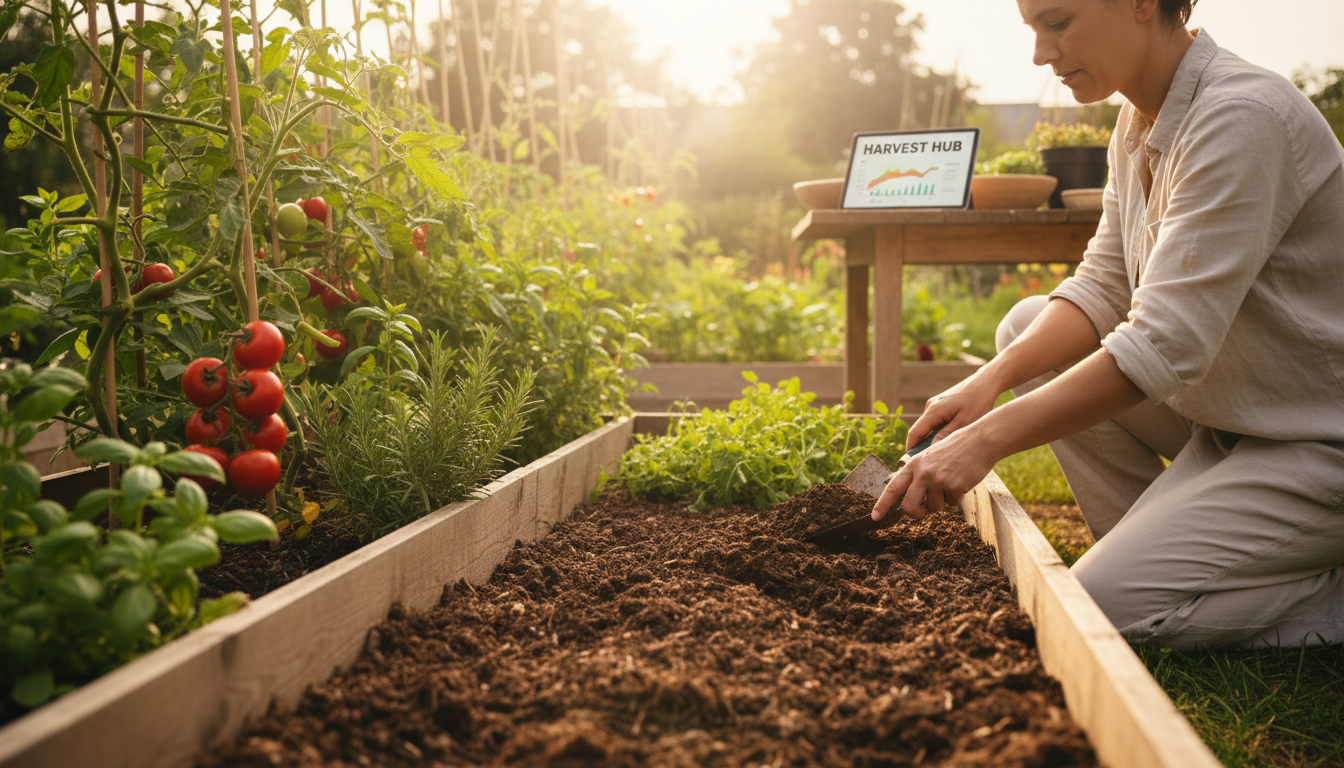
Spring is the perfect time to enrich your soil with organic matter. Consider adding compost or well-rotted manure to enhance soil fertility. This will provide essential nutrients for your plants as they begin to grow.
Testing your soil's pH level can also be beneficial. Most plants prefer a slightly acidic to neutral pH. Adjusting your soil's acidity can lead to healthier plants and more vibrant blooms.
Planning Your Planting
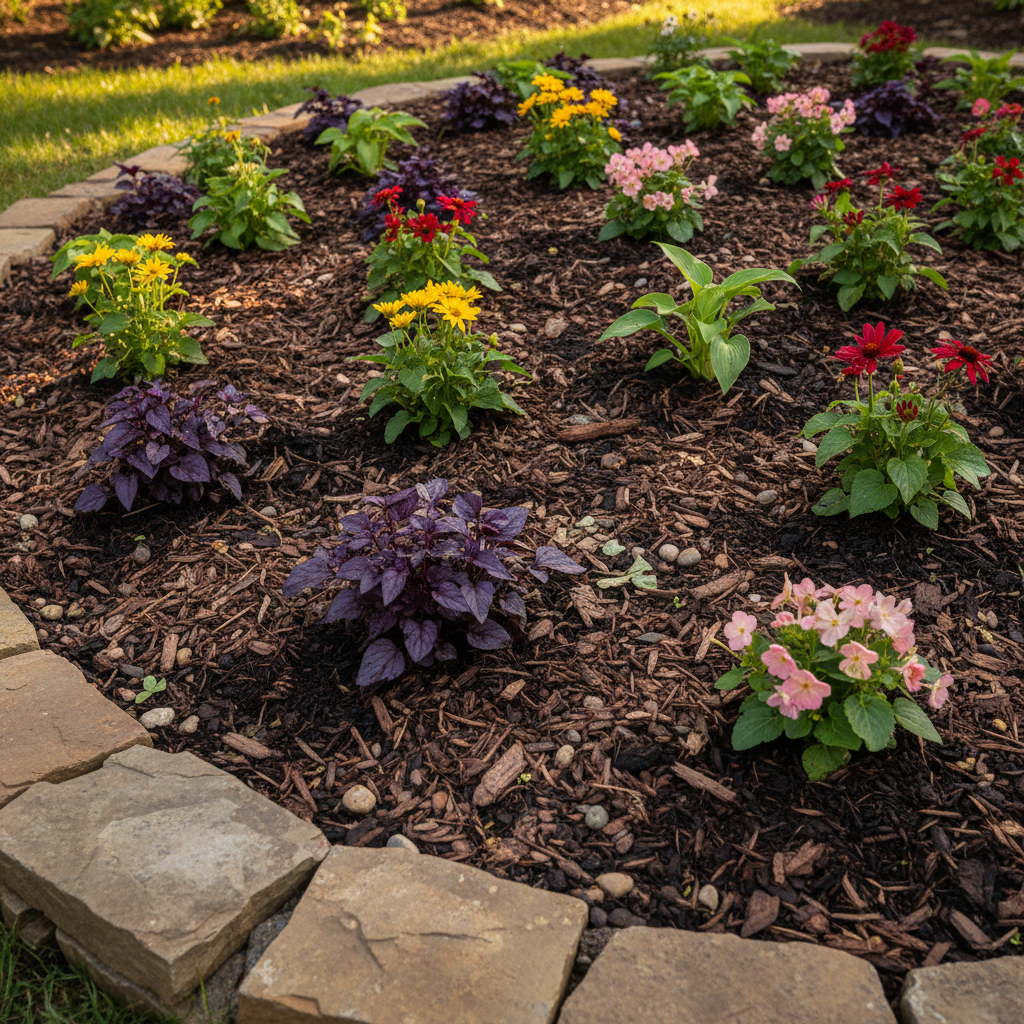
Once your soil is ready, it's time to plan your planting. Consider incorporating a mix of annuals and perennials to ensure continuous color throughout the season. Think about the layout and the sunlight each area receives to optimize plant placement.
For a more sustainable approach, include native plants in your garden. They are well-suited to the local climate and require less maintenance, providing a beautiful yet eco-friendly option.
Pruning and Maintenance
Pruning is a crucial step in preparing your garden for spring. Trim back any overgrown shrubs and remove dead or diseased branches. This encourages healthy growth and improves the overall appearance of your garden.
Don't forget to check your gardening tools. Sharpen blades and oil moving parts to ensure they are in optimal condition for the upcoming season.
Watering and Mulching
As temperatures rise, it's important to establish a consistent watering schedule. Early morning watering is best to minimize evaporation. Ensure your irrigation system is functioning correctly to conserve water effectively.
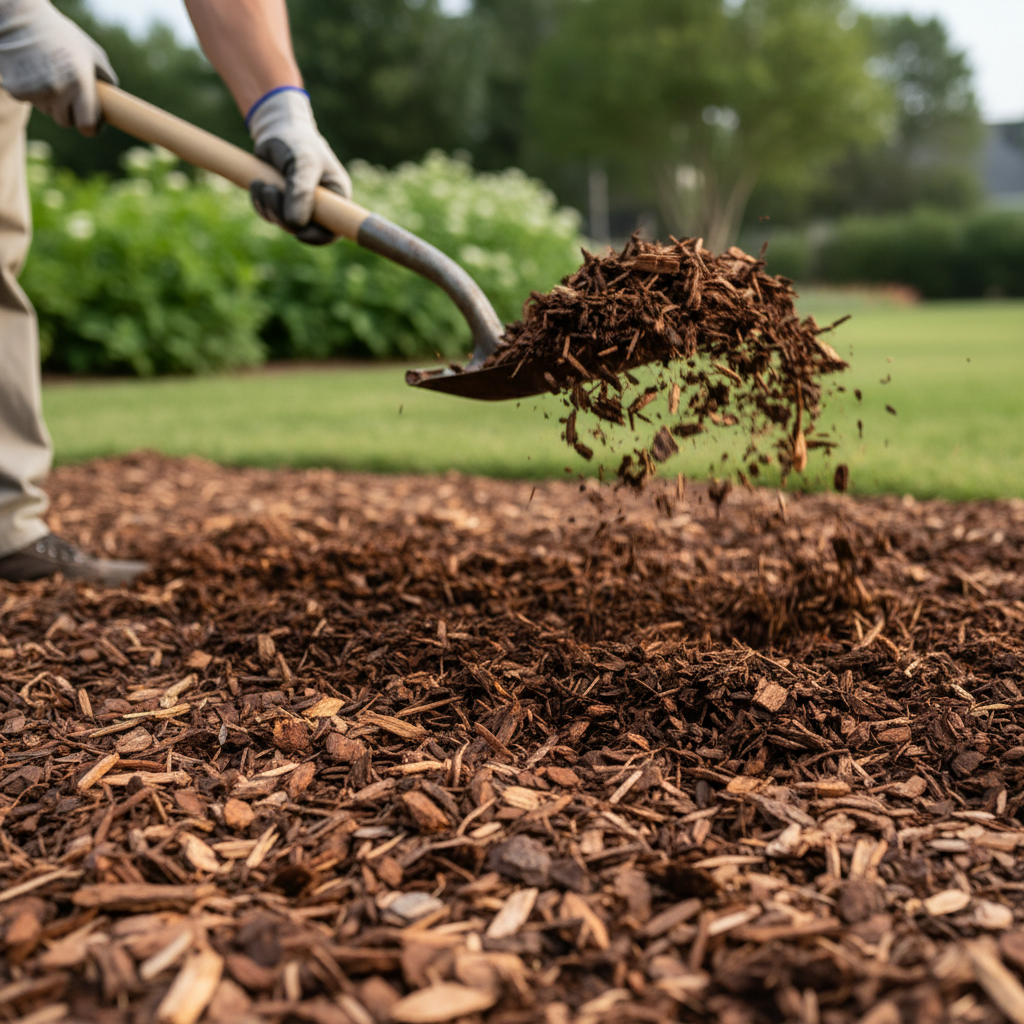
Applying a layer of mulch around your plants helps retain moisture and suppress weeds. Organic mulch, such as bark or straw, also adds nutrients to the soil as it decomposes.
Embracing Sustainable Practices
Consider implementing sustainable practices in your garden. Rainwater harvesting systems can be a great addition, providing a free and eco-friendly water source. Composting kitchen waste reduces landfill contributions and enriches your garden soil.
Using natural pest control methods, such as introducing beneficial insects, can help maintain a healthy garden ecosystem without resorting to chemicals.
Creating a Wildlife-Friendly Space
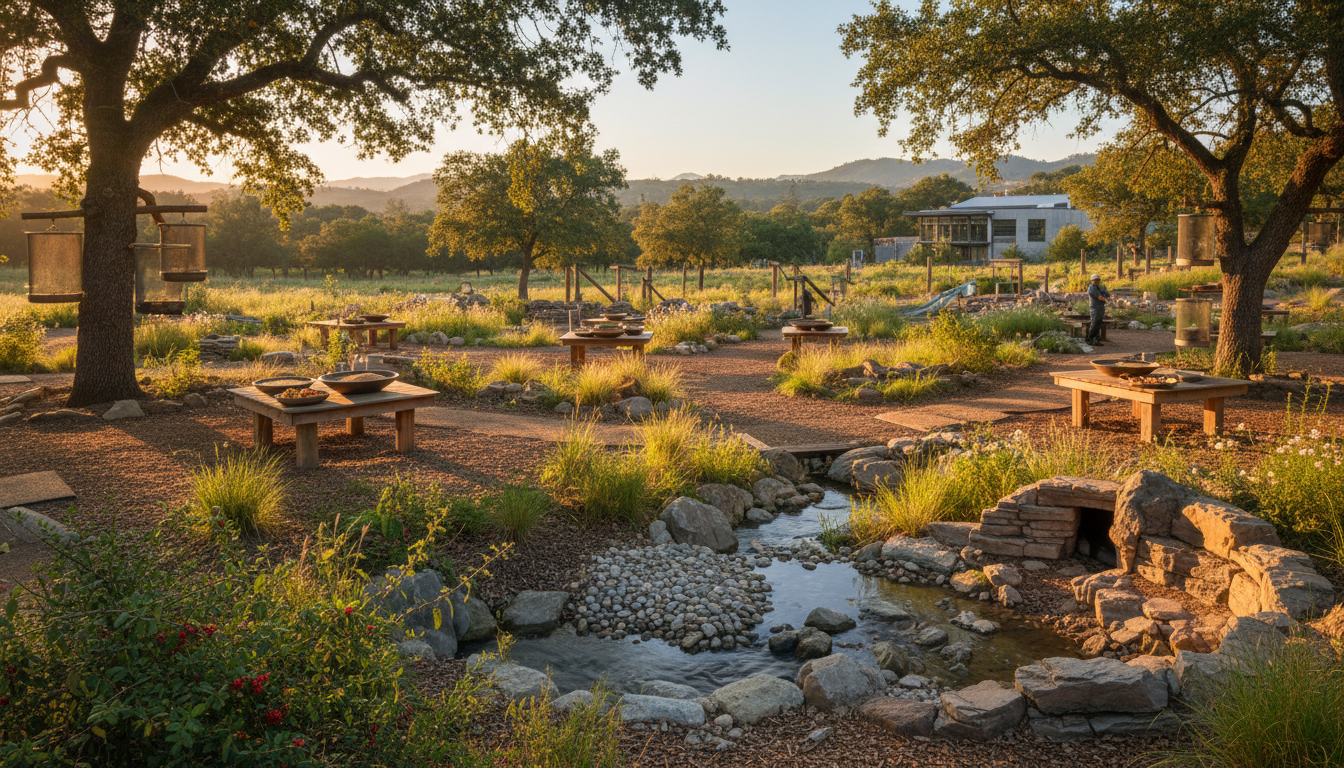
Encourage wildlife in your garden by providing food, water, and shelter. Bird feeders, water features, and native plants can attract birds, bees, and butterflies, enhancing the biodiversity of your outdoor space.
By making your garden wildlife-friendly, you contribute to local conservation efforts while enjoying a lively and vibrant garden environment.
Final Touches
As you finalize your spring preparations, add personal touches to your garden. Consider introducing decorative elements like garden sculptures or colorful pots to reflect your style.
Regularly monitor your garden's progress throughout the season, and be ready to adapt to changes in weather and plant needs. With these tips, your Vancouver garden will flourish beautifully this spring.