DIY Tips for Sustainable Landscaping in Vancouver
Introduction to Sustainable Landscaping
In the beautiful city of Vancouver, where lush greenery meets urban landscapes, sustainable landscaping is an ideal way to maintain the natural beauty while being environmentally conscious. By adopting sustainable practices, you can create a landscape that is not only aesthetically pleasing but also eco-friendly and cost-effective.
Whether you're a seasoned gardener or a novice, these DIY tips will help you transform your outdoor space into a sustainable haven, perfect for the Vancouver climate.
Choose Native Plants
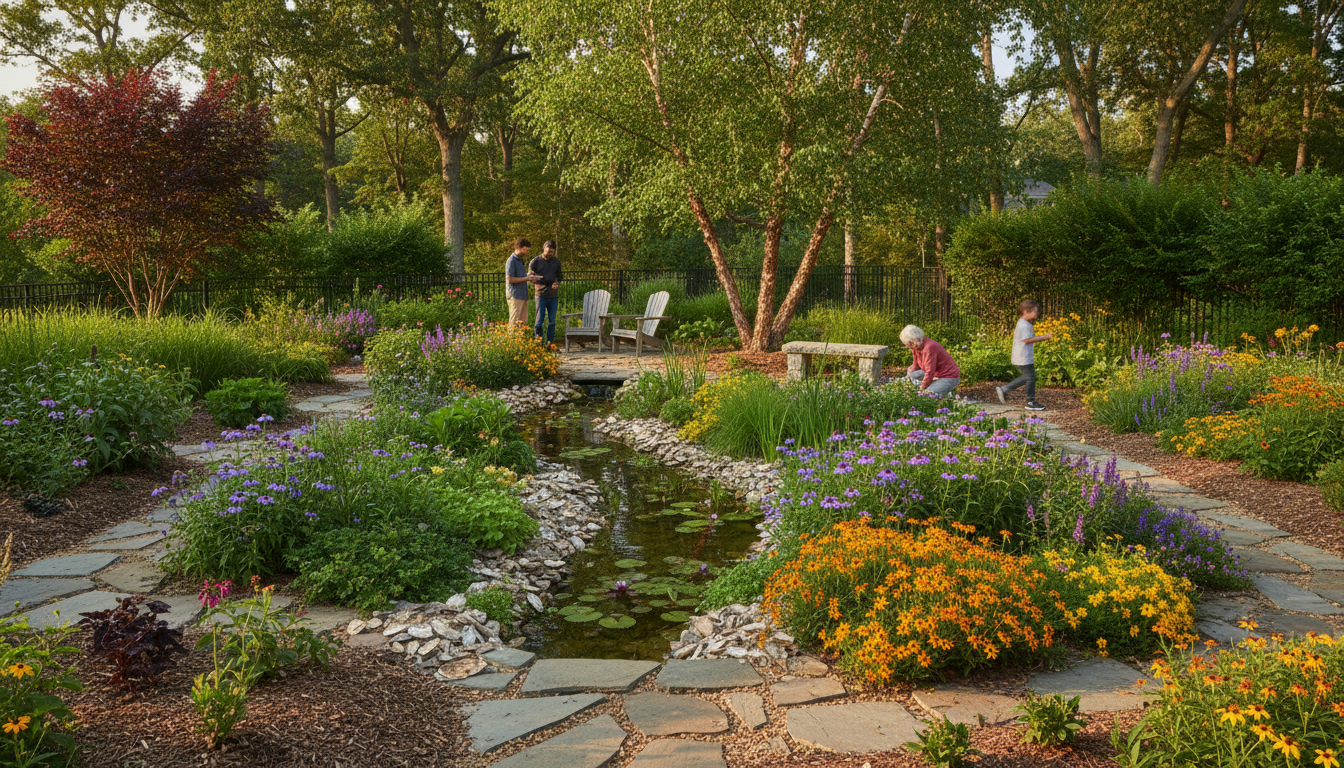
Native plants are adapted to the local climate and soil conditions, making them a perfect choice for sustainable landscaping. They require less water, fertilizer, and pesticides, which helps reduce your garden's environmental impact.
Consider incorporating native species such as the Pacific Dogwood, Red Flowering Currant, and Sword Fern into your landscape. These plants attract local wildlife and contribute to the biodiversity of your garden.
Implement Water-Efficient Practices
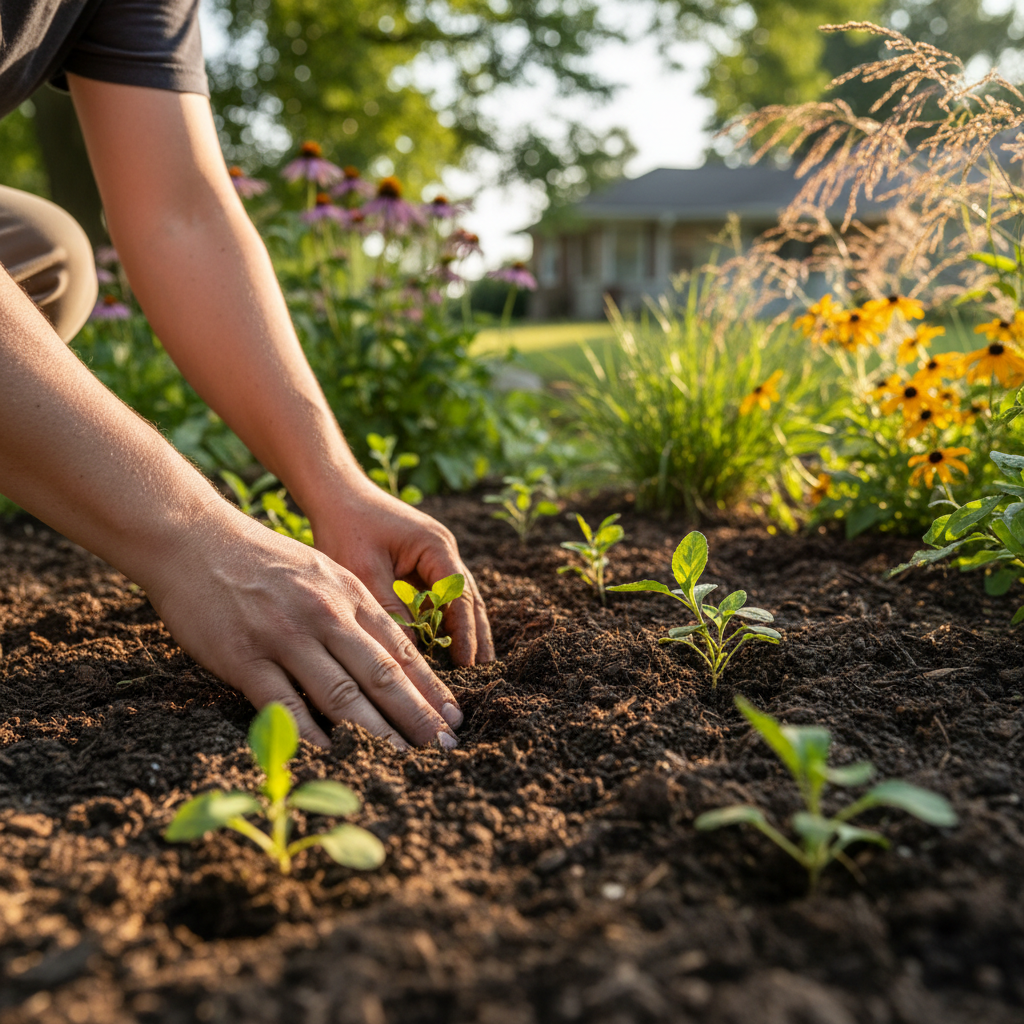
Water conservation is a key component of sustainable landscaping. Start by installing a rain barrel to collect rainwater, which can be used to water your plants during dry spells. Drip irrigation systems are also an efficient way to deliver water directly to the plant roots, minimizing waste.
Additionally, consider reducing lawn sizes or replacing them with drought-tolerant ground covers. This not only saves water but also reduces the need for mowing and maintenance.
Mulching and Composting
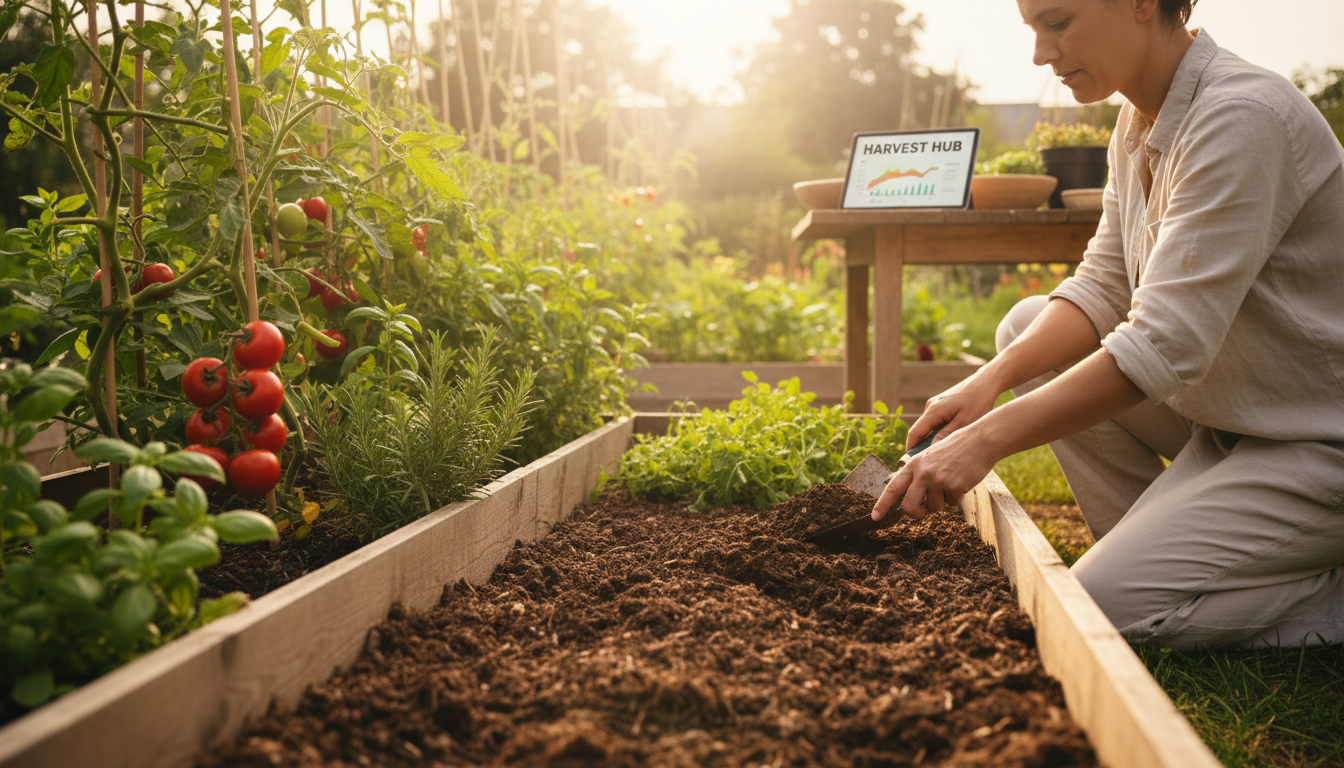
Mulching helps retain soil moisture, suppress weeds, and improve soil quality. Use organic mulches like wood chips or bark, which break down over time and enrich the soil. Composting kitchen and garden waste is another excellent way to create nutrient-rich soil without chemical fertilizers.
Promote Wildlife Habitats
Encouraging biodiversity in your garden can create a balanced ecosystem. Add bird feeders, bird baths, and nesting boxes to attract birds, which can help control pests naturally. Planting a variety of flowers and shrubs will also attract beneficial insects like bees and butterflies.
Creating a small pond or water feature can provide a habitat for amphibians and other wildlife, contributing to your garden's ecological health.
Use Eco-Friendly Materials
When designing pathways, patios, or garden structures, opt for eco-friendly materials like reclaimed wood, recycled stone, or permeable pavers. These materials reduce the environmental impact and often add unique character to your garden.
Maintain with Sustainable Practices
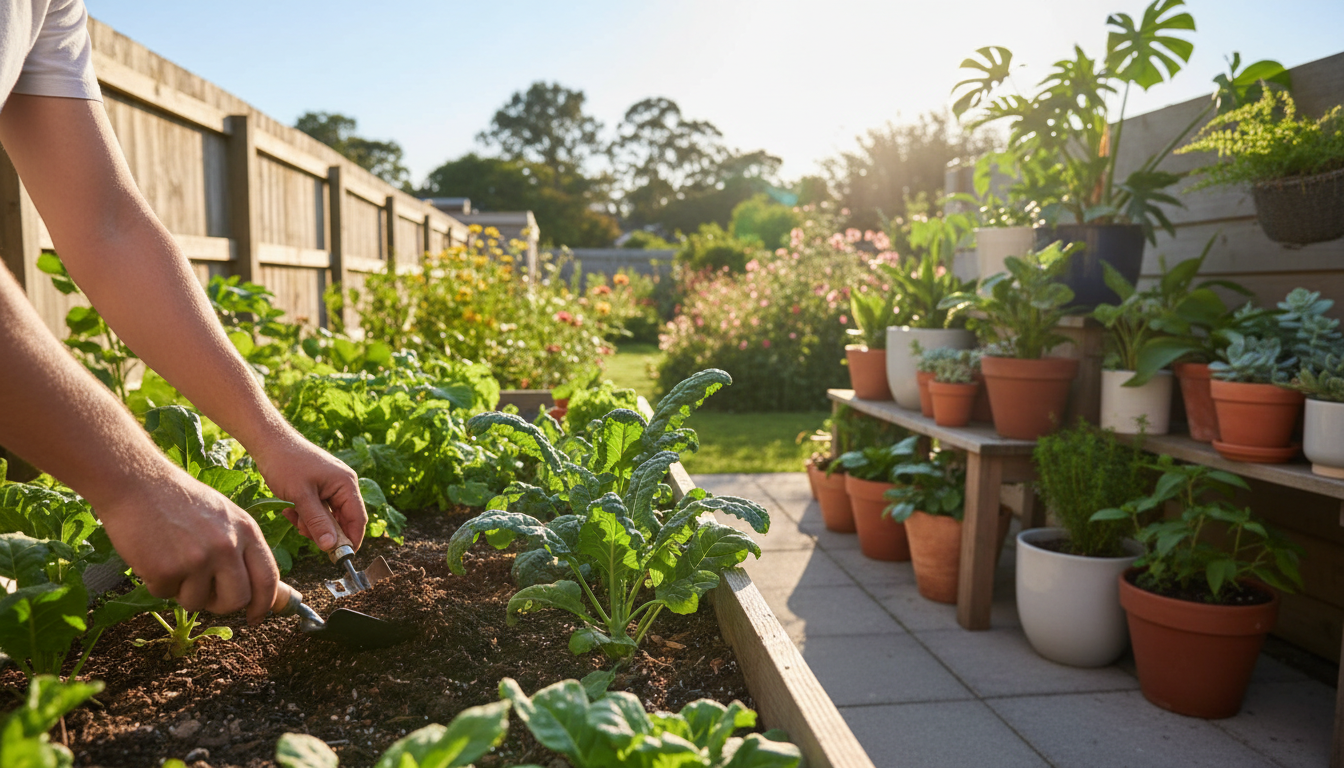
Regular maintenance is essential for a thriving landscape. Use hand tools instead of power tools to reduce energy consumption. Practice grasscycling by leaving grass clippings on the lawn to decompose and act as a natural fertilizer.
Regularly inspect your garden for pests and diseases, and use organic methods for control. Companion planting can also deter pests naturally.
Conclusion
By following these DIY tips for sustainable landscaping, you can create a beautiful, eco-friendly garden that thrives in Vancouver's unique climate. Embrace the opportunity to make a positive impact on the environment while enjoying a lush and vibrant outdoor space. Happy gardening!