DIY Landscaping Tips for Vancouver Homeowners
Planning Your DIY Landscape
Creating a beautiful landscape in Vancouver can be a rewarding project. The key to success is planning. Start by considering the climate and specific conditions of your yard. Vancouver's mild climate offers a great opportunity to use a variety of plants, but it's crucial to choose those that thrive locally.
Sketch out your ideas and consider the layout. Identify any existing features you want to keep, such as trees or shrubs, and decide where new elements will fit. Incorporate pathways, flower beds, and any water features you'd like to add. This step helps you visualize the final result.
Choosing the Right Plants
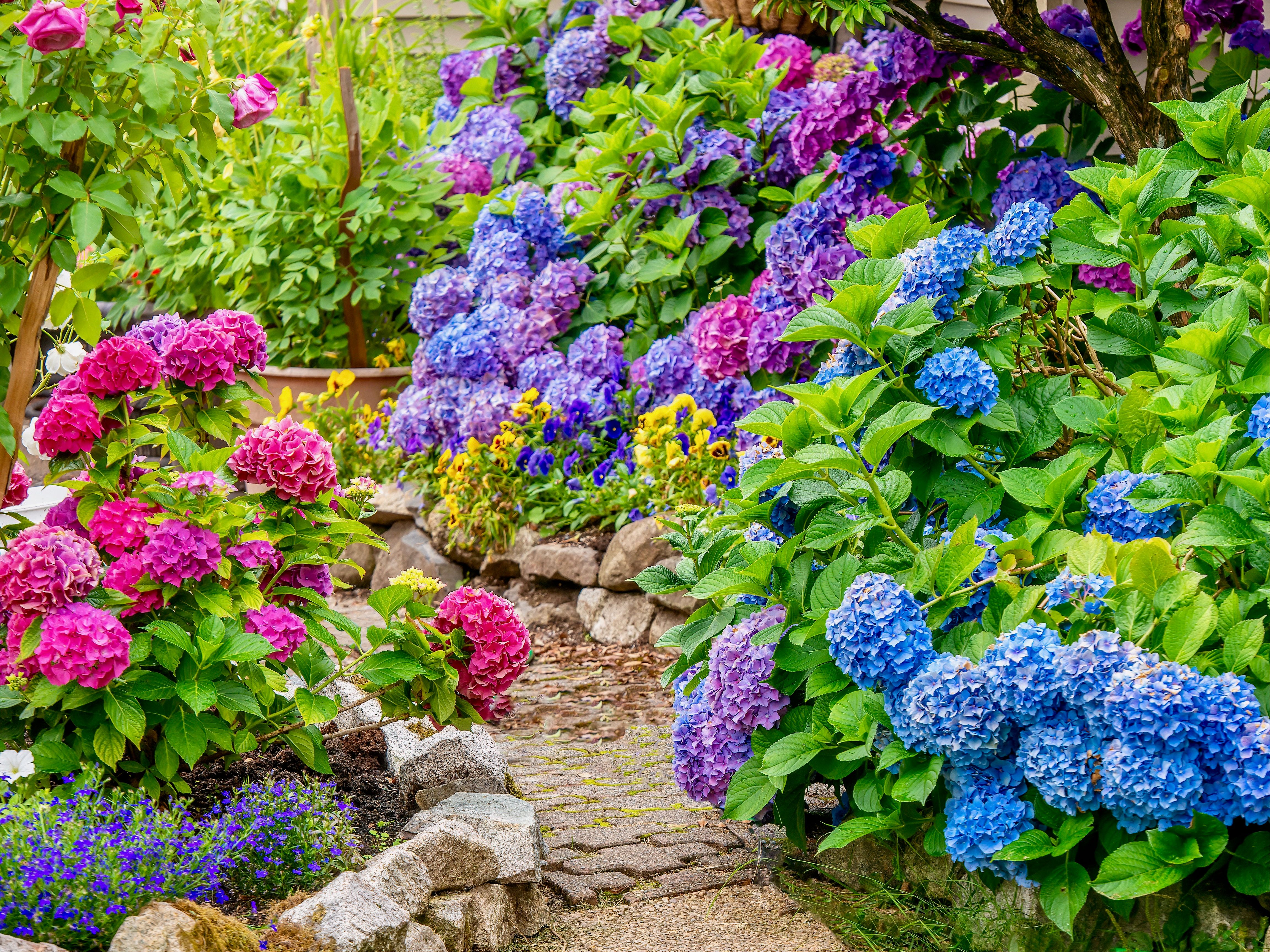
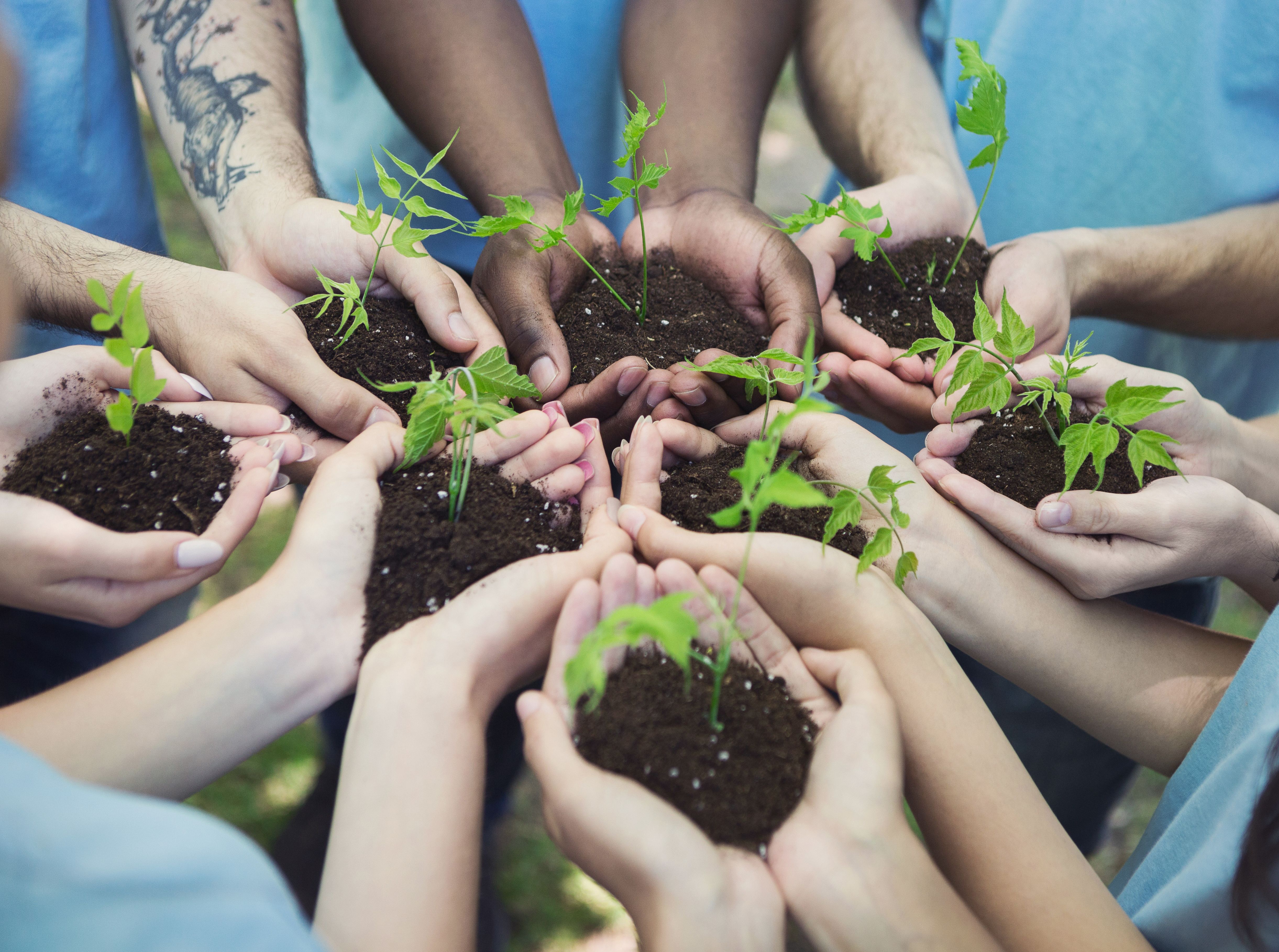
Selecting the right plants is crucial for a thriving garden. Consider native plants, as they are adapted to local conditions and require less maintenance. They also support local wildlife and contribute to biodiversity.
Some popular options for Vancouver include the Pacific dogwood, western red cedar, and salal. These plants not only look beautiful but also enhance the ecological health of your garden. Be mindful of planting seasons and ensure that your chosen plants complement each other in terms of color, height, and texture.
Soil Preparation and Maintenance
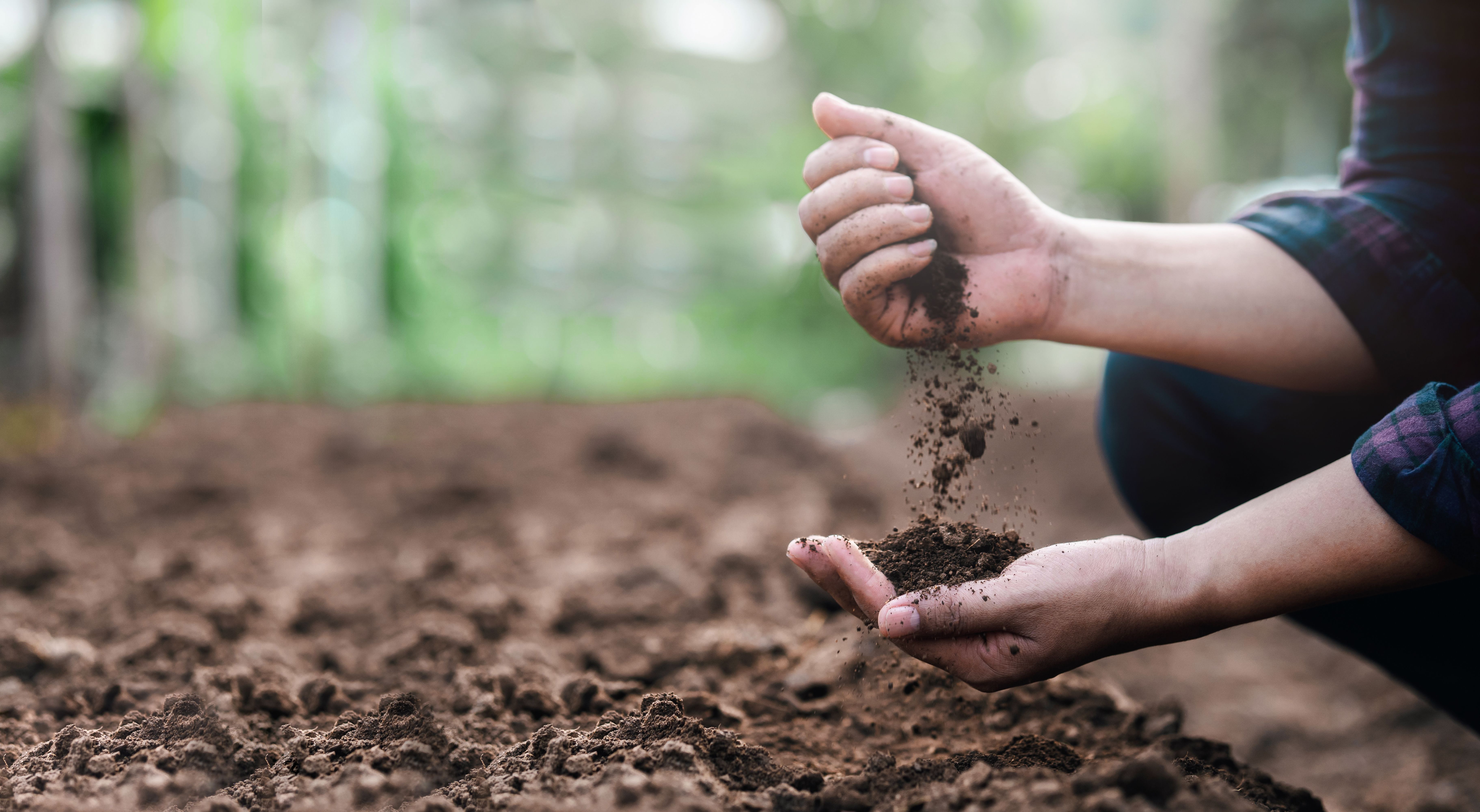
Good soil is the foundation of a healthy garden. Test your soil to determine its type and pH level. Vancouver soils can vary, so understanding what you're working with will help you amend it appropriately. Add organic matter like compost to improve soil structure and fertility.
Regular maintenance is essential. Mulching can help retain moisture, suppress weeds, and add nutrients to the soil. Consider using bark mulch or straw to cover your planting beds. These materials not only improve soil health but also give your garden a neat appearance.
Watering and Irrigation
Efficient watering is vital for any landscape. Vancouver's climate means you need to balance between natural rainfall and supplemental watering. Install a drip irrigation system to deliver water directly to the roots, minimizing waste. This method is both efficient and environmentally friendly.
For those who prefer a more hands-on approach, consider using rain barrels to collect rainwater for irrigation. This sustainable practice not only conserves water but also reduces your water bill.
Incorporating Hardscaping Elements
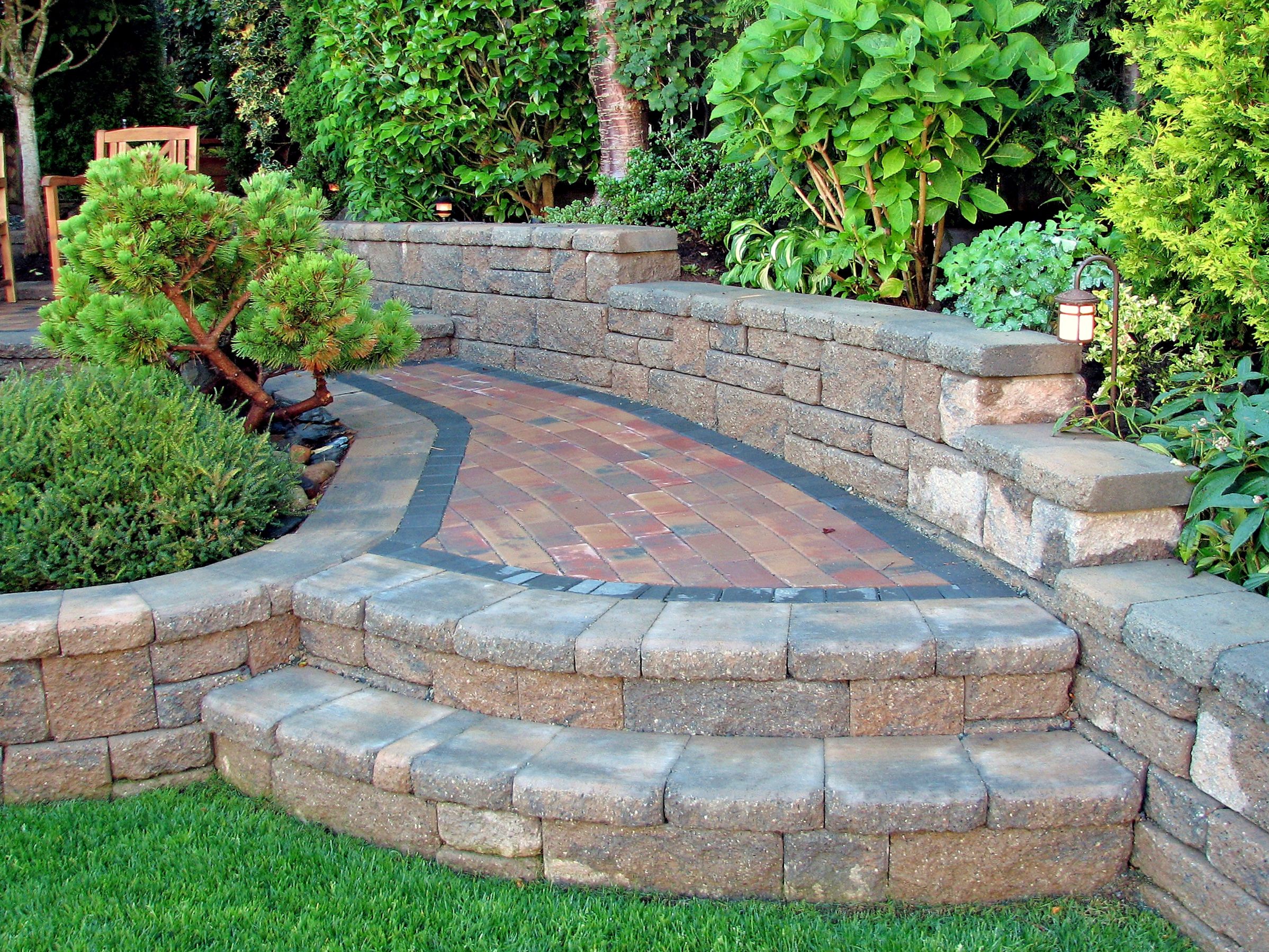
Hardscaping refers to the non-plant elements of your landscape, such as patios, walkways, and walls. These features add structure and functionality to your outdoor space. Choose materials that blend well with your home and garden style, such as natural stone or wood.
Plan your hardscaping to complement the natural flow of your garden. Pathways, for example, should guide visitors through the space, while patios can provide a comfortable area for relaxation and entertainment.
Maintaining Your Landscape
Regular maintenance is key to keeping your landscape looking its best. This includes pruning plants, mowing the lawn, and removing weeds. A well-maintained garden not only looks attractive but also promotes healthy plant growth.
Consider creating a maintenance schedule to keep track of tasks. Seasonal adjustments are also important, such as protecting plants from frost in the winter or providing extra water during dry spells.
By following these DIY landscaping tips, Vancouver homeowners can create a stunning and sustainable outdoor space that enhances their home's curb appeal and provides a personal oasis to enjoy year-round.