Case Study: Transforming a Vancouver Backyard with Sustainable Landscaping
Introduction to Sustainable Landscaping
In recent years, sustainable landscaping has emerged as a popular trend among homeowners. With increasing awareness about environmental conservation, many are opting for eco-friendly solutions to transform their outdoor spaces. This case study focuses on how one Vancouver backyard was beautifully transformed using sustainable landscaping practices.
Understanding the Project Goals
The primary goal of the project was to create a backyard that was not only visually appealing but also environmentally friendly. The homeowners wanted to reduce water usage, promote biodiversity, and minimize their carbon footprint. With these objectives in mind, a comprehensive plan was developed to revamp their outdoor area.
Water Conservation Techniques
One of the key components of sustainable landscaping is water conservation. In this project, drought-resistant plants were selected to reduce the need for frequent watering. Additionally, a rainwater harvesting system was installed to collect and store rainwater for irrigation purposes. These strategies significantly cut down on water usage while maintaining lush greenery.

Enhancing Biodiversity
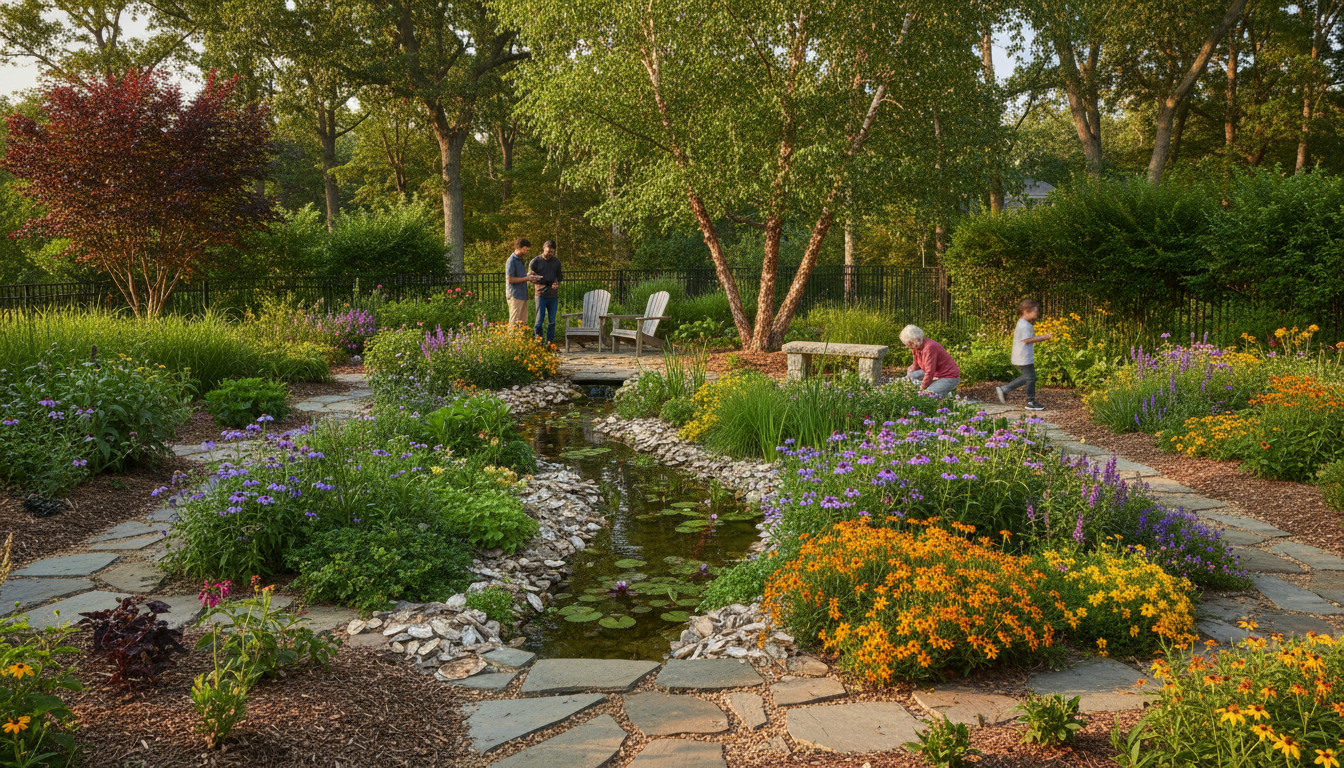
To promote biodiversity, native plants were chosen for the landscaping design. Native plants are well-adapted to the local climate and soil conditions, which makes them more resilient and less resource-intensive. The inclusion of a variety of plant species also attracted local wildlife, creating a thriving ecosystem right in the backyard.
Materials and Methods
An essential aspect of sustainable landscaping is using eco-friendly materials. In this project, recycled materials were used for pathways and garden borders. Permeable paving systems were installed to allow rainwater to seep into the ground, reducing runoff and erosion. This not only helped in water management but also added a unique aesthetic appeal to the space.

Energy Efficiency
Energy efficiency was another critical focus of the project. Solar-powered lighting was installed throughout the garden to illuminate pathways and highlight key features. This approach not only reduced energy consumption but also enhanced the ambiance of the backyard during the evening hours.
Outcome and Benefits
The transformation of this Vancouver backyard into a sustainable paradise yielded numerous benefits. The homeowners noticed a significant decrease in their utility bills due to reduced water and energy usage. Furthermore, the garden became a haven for local wildlife, contributing to urban biodiversity.
The project also served as an inspiration for neighbors and the community, showcasing the potential of sustainable landscaping in urban settings. By prioritizing environmental responsibility, the homeowners set a positive example for others to follow.
Conclusion
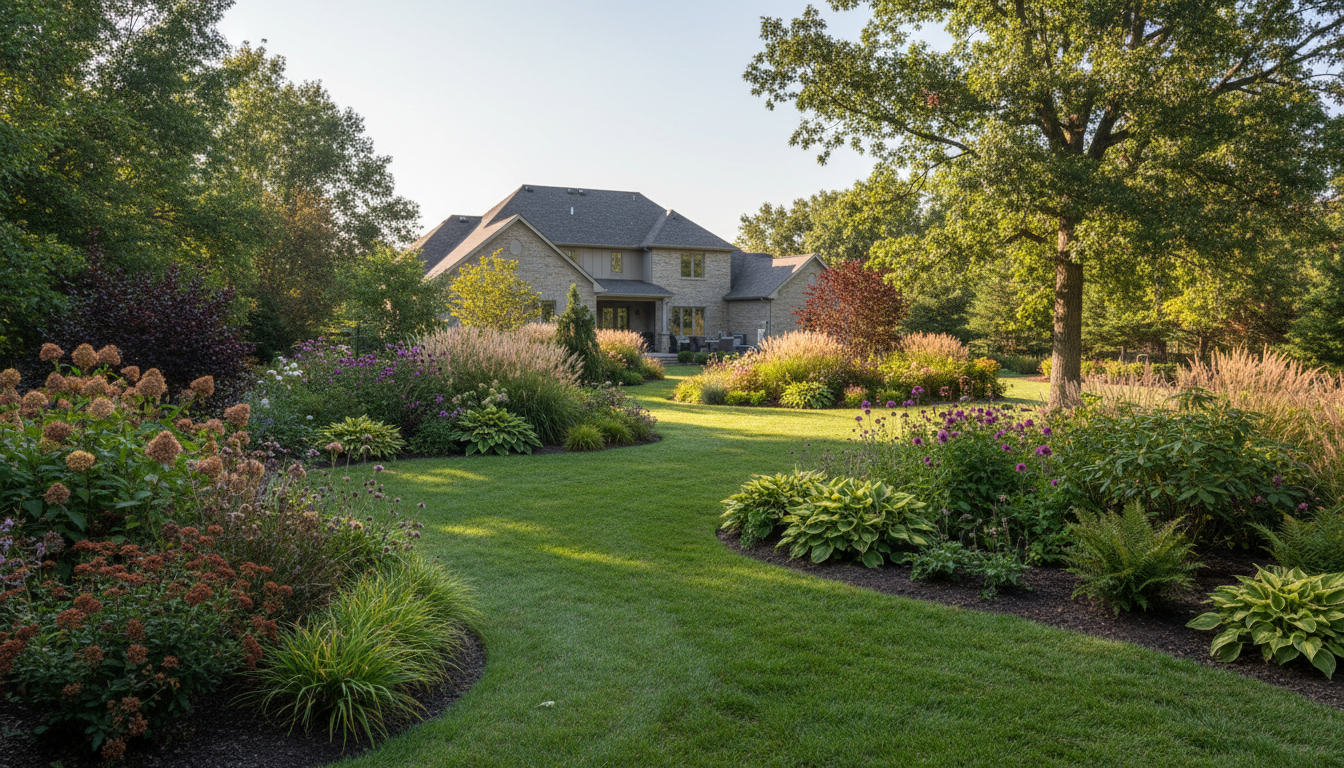
This case study demonstrates that sustainable landscaping is not only beneficial for the environment but also enhances the beauty and functionality of outdoor spaces. By integrating eco-friendly practices, homeowners can create a harmonious balance between nature and modern living. With the right approach, any backyard can be transformed into a sustainable oasis.